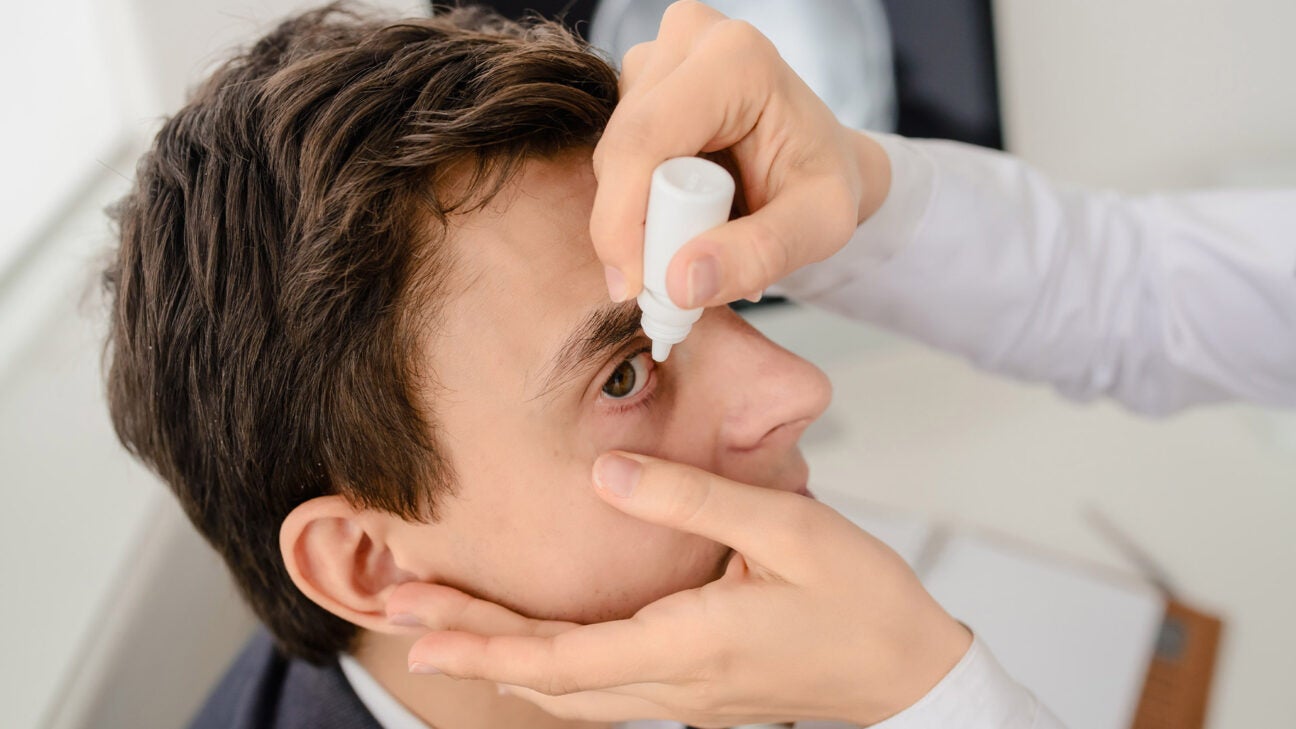
A breakthrough in eye care may offer hope for millions of older adults experiencing vision decline, as researchers develop innovative eye drops designed to combat age-related eye deterioration. This advancement could transform how vision loss is treated, potentially reducing the need for invasive procedures and improving quality of life for aging populations.
Age-related vision loss affects a significant portion of the population, with conditions such as macular degeneration, cataracts, and presbyopia becoming increasingly common as people grow older. Traditionally, treatments have involved corrective lenses, surgical interventions, or lifestyle modifications, but these solutions often address symptoms rather than the underlying causes. The development of specialized eye drops represents a potential paradigm shift, targeting the biological mechanisms behind age-related eye decline and offering a non-invasive, accessible option for long-term vision care.
How the latest eye drops function
The new eye drops are designed to repair and protect retinal cells, improve ocular blood flow, and reduce oxidative stress—factors that contribute to vision deterioration over time. Researchers have focused on formulations that combine advanced antioxidants, peptides, and nutrient complexes to nourish the eye at a cellular level. By strengthening retinal function and supporting healthy eye tissue, these drops aim to slow or even reverse certain aspects of age-related vision loss.
Clinical trials have demonstrated promising results, with participants reporting improvements in visual acuity, reduced eye strain, and better low-light vision. While the treatment is still under review for wider approval, experts are optimistic that this approach could supplement or, in some cases, replace more invasive procedures. In addition, the eye drops are being tested for their potential to prevent early-stage vision decline, offering a proactive approach to maintaining eye health as people age.
Beyond the biological effects, the ease of using eye drops makes them a sensible choice for everyday purposes. In contrast to surgical procedures or more involved treatments, these drops can be seamlessly incorporated into a daily routine, improving compliance and optimizing possible advantages. Accessibility and simplicity are vital, particularly for the elderly who might encounter mobility or health issues that complicate regular visits to healthcare facilities.
Effects on older demographics
The impact of efficient, gentle treatments for vision loss due to aging is significant. Countless seniors around the globe face challenges such as reduced independence, limited mobility, and restricted daily activities as a result of worsening eyesight. Impaired vision can affect driving, reading, social engagement, as well as the general quality of life, frequently leading to isolation, depression, and other health issues. Eye drops targeting the root causes of degeneration might assist individuals in preserving their independence and staying actively involved in daily life.
Health services could also gain from the broad implementation of these therapies. Halting or decelerating the deterioration of eyesight might diminish the necessity for operations, prolonged care, and specialized assistance, thereby alleviating the pressures on hospitals and medical centers. Furthermore, these eye drops could be integrated into public health strategies as a component of preventive care, promoting routine use in older populations to sustain eye health and improve general wellness.
Researchers highlight that although eye drops present a promising option, they should be used alongside lifestyle changes for the best outcomes. Keeping a well-balanced diet with nutrients beneficial for eyes, shielding eyes from too much UV light, and getting regular eye examinations are additional steps that improve the success of medical therapies. Comprehensive eye care methods incorporate biological, behavioral, and environmental elements to maintain long-term vision health.
The science behind age-related vision loss
Understanding the mechanisms of age-related vision loss is key to appreciating the potential impact of these eye drops. Conditions such as macular degeneration occur when retinal cells deteriorate, leading to central vision loss, while cataracts result from the clouding of the eye’s natural lens. Oxidative stress, inflammation, and reduced blood flow are common contributors to these conditions. By targeting these underlying processes, the eye drops aim to provide a more effective and preventative approach than traditional symptom-focused treatments.
Studies on the restoration of the retina, nutrient supply, and the chemistry of the eye have gained momentum recently, driven by progress in the fields of biotechnology and pharmacology. Researchers are finding it easier to develop mixtures that supply specific substances straight to eye tissues, enhancing both absorption and effectiveness. The blend of lab advancements, clinical testing, and patient insights is propelling a new wave of eye treatments, with minimally invasive solutions like eye drops leading the way.
Perspective on the future and accessibility
Looking ahead, the potential widespread availability of these eye drops could redefine standards of care for age-related vision loss. Regulatory approvals, manufacturing scalability, and distribution strategies will play critical roles in determining how quickly patients can access this treatment. If successfully implemented, it could provide a cost-effective alternative to surgeries or long-term corrective measures, making advanced eye care more equitable and accessible globally.
Continuing investigations aim to identify further uses, such as early prevention, improvement of night vision, and aid for people with certain retinal disorders. Customized formulations designed according to a person’s genetic and eye health characteristics may also emerge, resulting in specialized treatments that maximize benefits for each patient. These advancements highlight a general movement towards proactive, personalized healthcare focused on prevention, early action, and enhancing quality of life.
Integrating new treatments into daily life
For patients and caregivers, the introduction of advanced eye drops will require education on proper usage, adherence, and monitoring for potential side effects. Healthcare providers will play a crucial role in guiding patients through the integration of these treatments into their daily routines, ensuring both safety and effectiveness. In addition, public awareness campaigns may help older adults recognize the importance of early intervention and consistent eye care, fostering a culture of proactive vision maintenance.
The wider effects of these therapies go further than just physical wellness. Preserving clear eyesight aids in mental health, autonomy, and social activity, fostering holistic aging. People who experience enhanced vision can maintain their hobbies, work tasks, and social engagements, improving general life satisfaction and lessening the mental struggles frequently linked to vision deterioration due to aging.
The development of eye drops that target the root causes of vision loss represents a major advancement in medical science and preventive care. By combining scientific innovation, accessibility, and lifestyle integration, these treatments have the potential to transform how society approaches aging and eye health. As research progresses and availability increases, millions of people may find renewed hope in maintaining clear vision and enjoying the independence and quality of life that comes with it.