As summer unfolds, COVID-19 infections are once again on the rise in various parts of the United States. While not reaching the alarming levels of previous years, the recent uptick in cases is noticeable enough to revive conversations around preventive measures—especially the potential need for updated vaccines.
This seasonal resurgence has been observed through increased levels of viral particles in wastewater surveillance systems, a reliable early indicator of community spread. Emergency department visits and hospitalizations have also shown a modest but steady climb. Though the situation remains far from critical, the shift is significant enough to warrant attention, particularly for those in high-risk categories such as the elderly and immunocompromised.
Grasping the summer wave
Unlike the early stages of the pandemic, the current increase in COVID-19 activity is not accompanied by widespread panic or drastic public health mandates. This is largely due to a population that has developed a certain level of immunity through vaccinations, past infections, or both. However, the virus continues to evolve, and new variants can evade some of the immune protection previously acquired.
The current dominant strains are subvariants of the Omicron lineage, known for being more transmissible but less likely to cause severe illness in those with some form of immunity. Despite this, the virus still poses a threat, particularly to vulnerable individuals or those with underlying conditions. Even healthy individuals, however, can experience long-lasting symptoms, known as long COVID, following infection.
Vaccine schedule: should a booster be taken?
One of the primary questions emerging from this latest rise in cases is whether it’s the right time for a booster shot. Health authorities are preparing for a fall vaccination campaign that will likely offer updated COVID-19 vaccines, targeting newer variants more effectively. However, for those currently at heightened risk of severe illness, waiting might not be the best option.
Experts are divided. On one hand, individuals who are elderly, chronically ill, or immunocompromised may benefit from an additional booster now, particularly if it’s been several months since their last dose. This could help bridge the gap until the next round of updated vaccines becomes available. On the other hand, those at lower risk may choose to wait until the fall to receive a booster that’s tailored to the currently circulating variants.
The decision largely depends on individual risk factors and timing. For many, it’s a matter of balancing protection now against potentially better protection later. For example, someone planning to travel, attend large gatherings, or spend time indoors in close proximity to others might opt for a booster to reduce the risk of infection and transmission in the immediate term.
Reactions from the public and preventive strategies
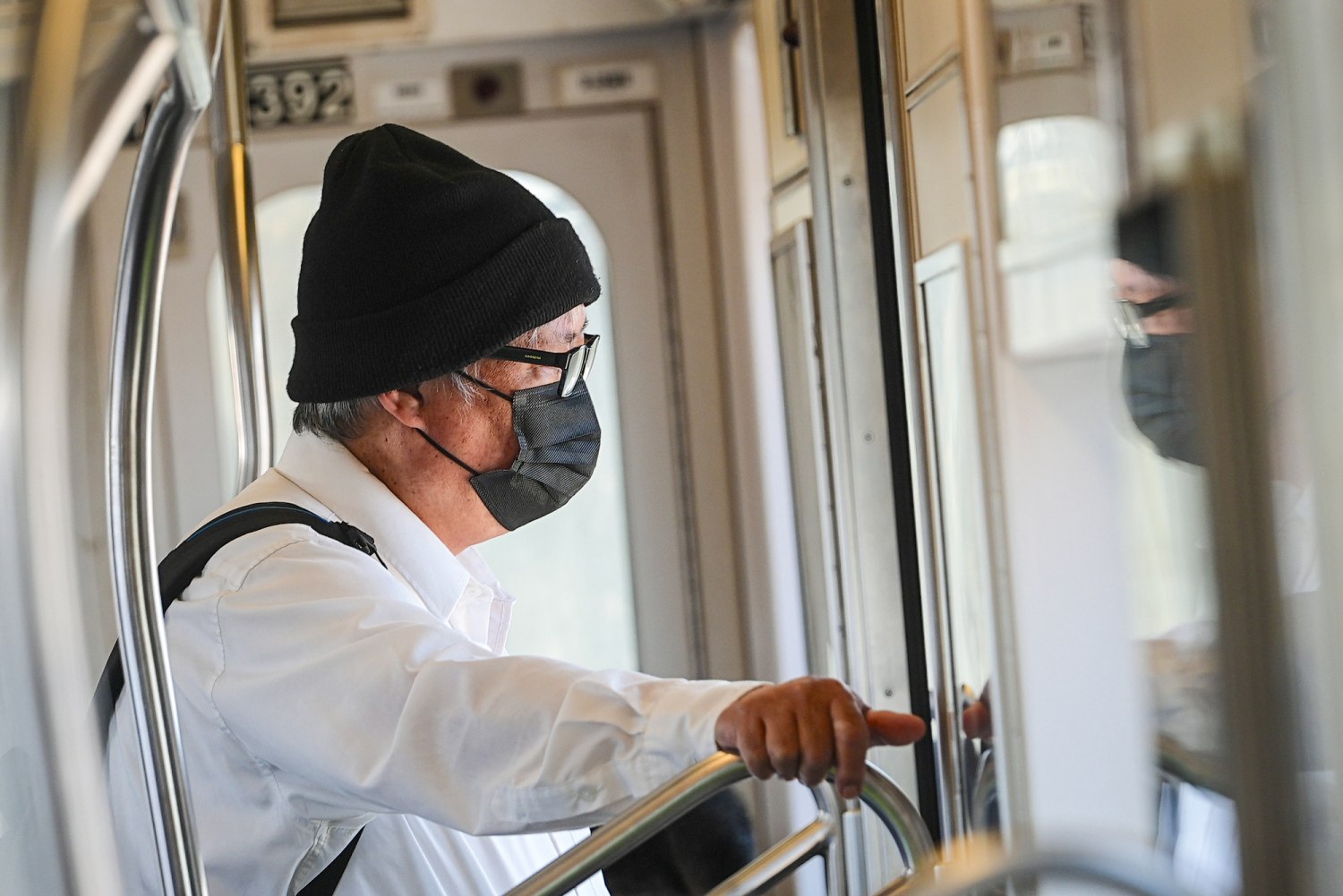
Although the number of cases is rising, the general populace seems to be less worried compared to earlier surges. The use of masks is inconsistent, and numerous individuals have stopped maintaining social distance or steering clear of packed indoor areas. This change in conduct indicates a widespread feeling of weariness with pandemic measures and a longing to resume normal life.
Nevertheless, certain preventive measures remain effective. Good ventilation, masking in crowded settings, hand hygiene, and staying home when symptomatic can still reduce the spread of the virus. The current uptick serves as a reminder that the pandemic, while less disruptive than before, is not fully behind us.
The evolving nature of COVID-19
COVID-19 continues to be unpredictable. While vaccines have significantly reduced the likelihood of severe disease and death, the virus’s ability to mutate means that no single strategy offers complete protection indefinitely. The rise of new subvariants and the potential for future surges, especially during the colder months, highlight the need for ongoing vigilance and adaptability in public health strategies.
For many, COVID-19 has transitioned from a once-dreaded virus to a recurring seasonal illness—more like the flu than the threat it once posed. But unlike the flu, COVID-19 continues to present unique challenges, particularly because of the lingering effects experienced by some patients.
What you can anticipate
As the autumn season nears, health authorities are keeping a vigilant eye on the circumstances. New vaccines are anticipated to be introduced later this year, potentially in a version more suited to the recent variants. These might be available together with the yearly influenza vaccine, and possibly the RSV vaccine for particular age brackets, as a component of a wider plan to address respiratory diseases.
In the meantime, those who are most vulnerable are encouraged to consult with their healthcare providers about whether an additional booster is advisable before fall. For the general public, staying informed and taking basic precautions remain the best course of action as the situation evolves.
The latest increase in COVID-19 cases during the summer months acts as a gentle but crucial indication: although the virus no longer overshadows everyday activities, it still demands vigilance, particularly when there is a rise in community spread. As scientific understanding evolves with the virus’s changes, people are once more confronted with the responsibility of making educated decisions to safeguard themselves and others in their vicinity.