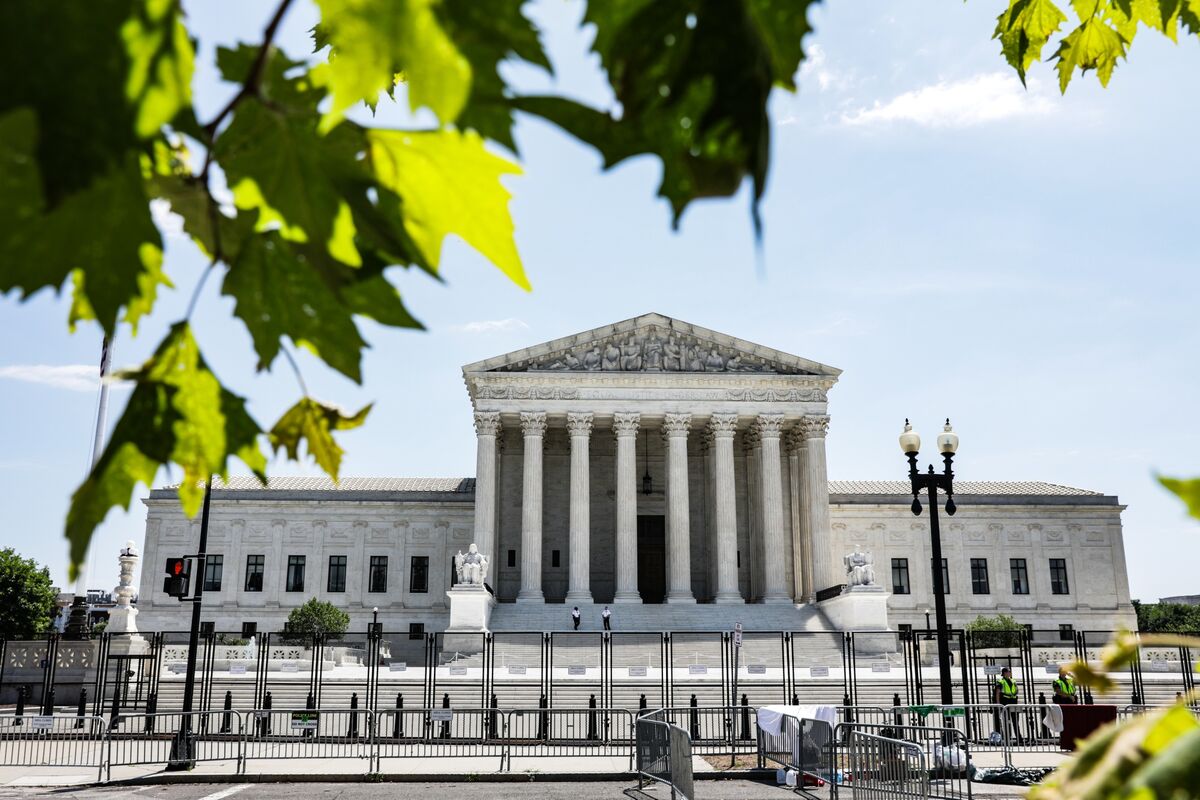
El Tribunal Supremo de los Estados Unidos ha decidido respaldar la imposición de restricciones a las subvenciones federales para la investigación en salud relacionadas con políticas de diversidad, equidad e inclusión (DEI), generando un amplio debate en las comunidades académicas y de investigación médica. Esta decisión respalda las medidas anteriores implementadas durante la gestión de Donald Trump, que buscaban disminuir la financiación de programas que exigían el cumplimiento de estándares DEI para obtener subvenciones.
The court’s ruling is viewed as a pivotal moment in the ongoing discourse over how federal funds are distributed to research institutions. By allowing these restrictions to remain in place, the decision may significantly reshape how diversity considerations are integrated into federally funded medical and scientific projects. Supporters argue that the ruling helps ensure that funding focuses on scientific merit rather than social initiatives, while critics believe the move undermines efforts to create inclusive research environments that address disparities in healthcare.
One of the central points of contention revolves around the implications for universities and research organizations that have implemented DEI requirements to promote representation among research teams. Advocates for DEI argue that diverse perspectives lead to more comprehensive and innovative health solutions, particularly for underserved communities. They contend that removing such initiatives from the funding equation could slow progress in addressing health inequities. Opponents, however, maintain that federal dollars should not be tied to social or political criteria and should remain strictly merit-based, prioritizing the scientific value of proposed projects.
The ruling has brought up debates concerning the future of federally funded research initiatives and if other diversity-related stipulations linked to government funding might encounter comparable examination. Legal experts indicate that this decision could establish a benchmark impacting not just health research, but also areas like education, technology, and additional sectors supported by federal funding, where DEI policies have gained prominence.
Policy experts are monitoring how agencies like the National Institutes of Health (NIH) will adapt their grant evaluation processes in response to the ruling. The NIH has historically emphasized inclusive research practices to ensure studies account for gender, racial, and socioeconomic differences that influence health outcomes. With these restrictions now upheld, there may be a shift toward neutral evaluation frameworks, reducing the weight of diversity-related considerations in funding decisions.
Healthcare experts and proponents of research express concern that this alteration in policy might worsen the current inequalities in clinical research. In the past, underrepresented communities have had limited representation in medical studies, potentially resulting in treatments that may not be as beneficial for specific groups. Initiatives aimed at enhancing diversity in research were launched in part to bridge these gaps and support fair health results. Opponents claim that eliminating these motivators could produce research outcomes that do not adequately represent the requirements of the general public.
In the political arena, the decision coincides with a wider effort to reduce what certain lawmakers have described as “ideological mandates” within public institutions. This ruling adds another episode to the extensive national conversation about DEI policies, which have been a central topic in cultural and political dialogue in recent years. To many supporters of the decision, the focus should shift back to scientific rigor and impartiality, whereas critics view it as a regression in the struggle for equity in healthcare and education.
The response from the research community has been swift, with numerous organizations issuing statements expressing concern over the potential long-term consequences of this decision. Some have indicated plans to seek alternative funding sources to sustain DEI initiatives outside the scope of federal grants. Meanwhile, others are reevaluating their internal policies to ensure compliance while maintaining their commitment to inclusive research practices.
As the impact of this ruling unfolds, the future of diversity in federally funded health research remains uncertain. While the decision does not outright ban DEI programs within institutions, it limits the leverage these organizations have when seeking federal support. The conversation now turns to whether legislative or policy adjustments will emerge to restore or redefine the role of diversity considerations in shaping the landscape of medical research in the United States.