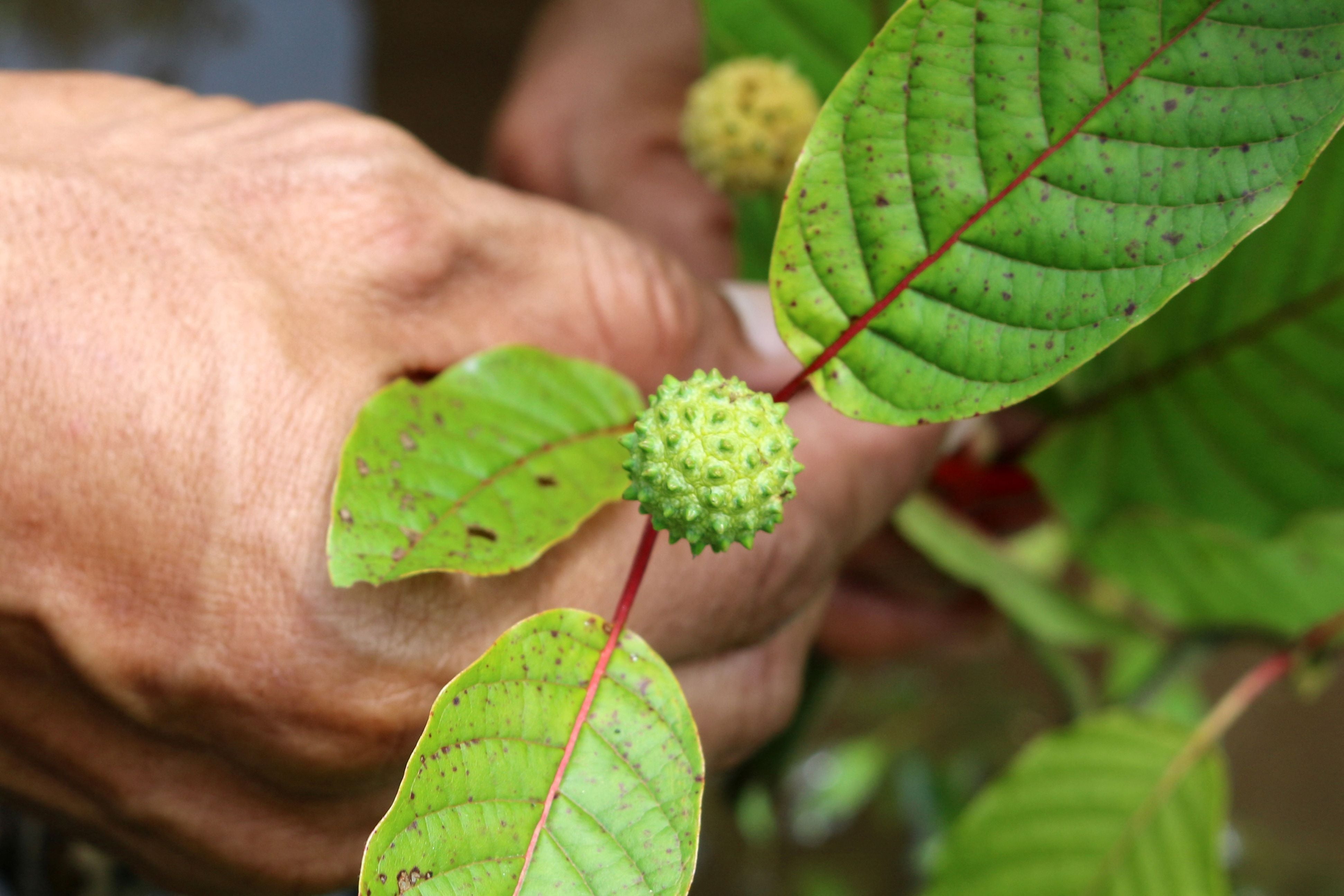
In recent weeks, the herbal tonic known as “Feel Free” has become the subject of widespread cautionary messages on TikTok, sparking concerns among users about its safety and potential side effects. This surge in online warnings reflects growing public scrutiny over herbal supplements marketed for health benefits and the increasing influence of social media platforms in shaping consumer perceptions. Understanding the reasons behind these alerts and their implications requires a closer look at the product, the claims surrounding it, and the broader context of herbal remedies in today’s wellness landscape.
Feel Free is promoted as a natural tonic that supports physical and mental well-being, often highlighting ingredients traditionally associated with relaxation, detoxification, and energy enhancement. Such products appeal to a wide audience seeking alternatives to conventional medicine or looking for supplemental boosts to their daily health routines. However, the herbal supplement market is frequently marked by variable regulation, inconsistent quality control, and sometimes misleading advertising, factors that contribute to the caution expressed by consumers and experts alike.
TikTok, being an incredibly powerful platform with a mostly youthful audience, has been instrumental in spreading both favorable accolades and critical reports regarding Feel Free. The fast-paced viral quality of TikTok posts allows user feedback—from passionate endorsements to skeptical critiques—to circulate swiftly, influencing public perception immediately. Numerous clips cautioning about possible negative consequences or unsatisfactory outcomes have become popular, motivating viewers to think twice or investigate further prior to trying the tonic.
Las advertencias a menudo mencionan problemas como reacciones alérgicas inesperadas, falta de transparencia clara en los ingredientes y preocupaciones sobre afirmaciones de salud no verificadas. Algunos usuarios informan síntomas que vinculan con el tónico, como malestar digestivo o dolores de cabeza, aunque estos relatos son anecdóticos y no se han investigado formalmente. Estas historias personales, compartidas en redes sociales, destacan la importancia de la precaución del consumidor cuando se trata de suplementos ingeribles.
Healthcare experts highlight the importance of exercising caution with herbal products such as Feel Free, especially if not discussed with medical practitioners. Although various herbs are known to provide benefits, their impacts can differ greatly based on dosage, personal health issues, and possible interactions with other medications. The lack of comprehensive clinical studies or standardized assessments for numerous herbal supplements raises the likelihood of unforeseen effects.
Regulatory oversight for herbal tonics differs widely across countries, with some jurisdictions enforcing strict safety and labeling requirements, while others allow products to enter the market with minimal scrutiny. This inconsistency complicates efforts to ensure consumer protection and reliable information. The rise in online sales and marketing further challenges regulators’ ability to monitor claims and quality.
The viral warnings on TikTok also reflect a broader shift in how people access and evaluate health information. Increasingly, social media platforms serve as primary sources for wellness advice, peer reviews, and product recommendations. While this democratization of information can empower consumers, it also raises risks related to misinformation, lack of context, and anecdotal bias. Users may adopt or reject health products based on compelling stories rather than scientific evidence.
Given the increase in concerns, certain producers and distributors of Feel Free have released declarations to clarify the list of ingredients, directions for use, and safety recommendations. They emphasize the natural makeup of the tonic and urge buyers to adhere to suggested dosages. However, the success of these messages relies on openness, trustworthiness, and continuous interaction with customer responses.
Experts recommend that consumers approach herbal tonics like Feel Free with a critical eye, prioritizing products backed by scientific research and regulatory approval. Consulting healthcare professionals before starting any new supplement is advised, particularly for individuals with underlying health conditions, pregnant or nursing women, or those taking other medications.
The situation surrounding Feel Free illustrates the complex intersection of traditional herbal remedies, modern marketing strategies, and digital-age information dissemination. It underscores the challenges faced by consumers in navigating health products amid a flood of online content that blends personal experience, commercial promotion, and varying degrees of accuracy.
Efforts to educate people about herbal supplements, including their advantages, restrictions, and possible dangers, are vital in this context. Advancing media literacy and motivating discussions among consumers, healthcare professionals, and regulators can assist in nurturing safer and more knowledgeable decisions.
Los avisos que están circulando por TikTok sobre el tónico herbal Feel Free subrayan la importancia de la precaución, la investigación y la orientación profesional al considerar el uso de suplementos herbales. Aunque estos productos pueden ofrecer beneficios, también presentan incertidumbres que requieren una evaluación cuidadosa. El papel de las redes sociales en difundir tanto la conciencia como la preocupación ilustra el cambiante panorama de la comunicación en salud y el comportamiento del consumidor en la era digital.
By remaining knowledgeable and discerning, individuals can more effectively navigate the wellness industry, safeguarding their health while investigating choices that enhance their well-being. The Feel Free tonic situation acts as a pertinent reminder of the importance of finding a balance between openness to natural treatments and commitment to evidence-based approaches.