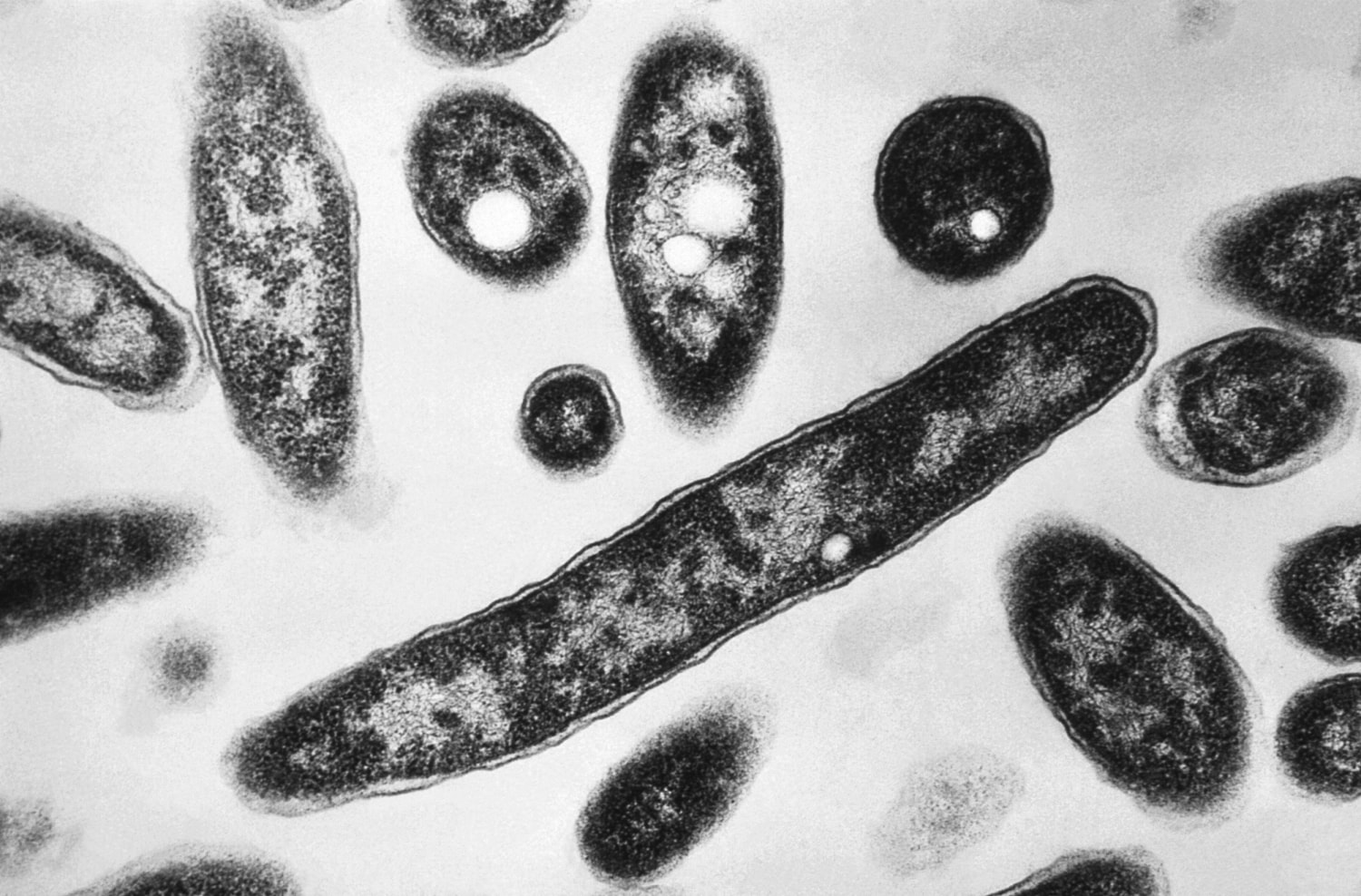
Health authorities in New York City have acknowledged a second death connected to a Legionnaires’ disease outbreak in Harlem, with over 50 individuals displaying symptoms associated with this illness. Discovered in the initial weeks of summer, the outbreak has triggered a public health action comprising research, diagnostics, and community engagement throughout the impacted areas.
Legionnaires’ disease is a serious type of pneumonia caused by inhaling water droplets contaminated with Legionella bacteria. These bacteria are commonly found in freshwater environments but can multiply rapidly in man-made water systems such as cooling towers, air-conditioning units, hot tubs, fountains, and plumbing systems if not properly maintained. When aerosolized water carrying the bacteria is inhaled, it can cause severe respiratory illness — especially in older adults or individuals with weakened immune systems.
Based on information from the New York City Department of Health, the group was detected following an increase in reported incidents in central Harlem. As of the most recent update, over 50 individuals have been confirmed with Legionnaires’ disease. Most of the patients needed to be hospitalized because of the serious nature of the symptoms, which encompass elevated fever, chills, persistent cough, trouble breathing, tiredness, and chest discomfort. Health officials have verified that the individuals primarily affected were adults older than 50 years, with numerous cases involving pre-existing health issues.
The urgency in the city’s response has increased after the confirmation of a second death, prompting actions such as testing cooling systems in buildings and other possible sources of bacterial contamination. City authorities have called on property managers in the impacted region to adhere to all maintenance rules for cooling towers, including routine disinfection and checks on water quality. Initial investigations have not yet pinpointed the exact source of the outbreak, although several buildings are presently under examination.
New York City is familiar with cases of Legionnaires’ disease. In the last ten years, multiple groups of cases have been reported, resulting in revised public health procedures and new laws requiring routine upkeep of cooling towers and associated infrastructure. Despite these efforts, incidents can still happen, especially in hot and humid seasons when bacteria flourish and water systems see increased use.
City officials have emphasized that Legionnaires’ disease is not spread from person to person and that drinking water is not a source of transmission. The primary risk comes from inhaling mist or vapor from water systems that are contaminated. Residents in Harlem have been advised to avoid exposure to outdoor misting systems, decorative fountains, and other sources of aerosols if they have compromised respiratory health or are in high-risk categories.
In addition to field testing, the Health Department has launched a community engagement effort, distributing flyers, hosting informational sessions, and providing guidance to local clinics and hospitals. Doctors are being urged to test for Legionella in patients presenting with pneumonia-like symptoms, particularly those living or working in the affected area.
While the majority of patients recover with prompt antibiotic treatment, the disease can be life-threatening without early diagnosis. The fatality rate for Legionnaires’ disease ranges from 5% to 30%, depending on the timeliness of medical intervention and the patient’s health status. This makes rapid detection and public awareness critical during outbreaks.
El grupo actual de Harlem también ha revitalizado las discusiones sobre la infraestructura de salud pública en ambientes urbanos densamente poblados. Defensores están pidiendo una supervisión más estricta de los sistemas de los edificios y un acceso ampliado a inspecciones regulares, especialmente en viviendas antiguas donde los sistemas de agua pueden estar desactualizados o mal mantenidos.
In light of public anxiety, the Health Commissioner of New York City has reiterated the city’s dedication to openness and consistent dialogue with the impacted community. Authorities emphasize that the threat to the wider public remains minimal; however, attentiveness and collaboration from property owners and inhabitants are crucial to control the spread.
As the inquiry progresses, the city will keep a close watch on case numbers and test outcomes. Further updates will be shared as soon as new information is accessible. At present, health authorities are urging individuals who have symptoms like a lingering cough, fever, or trouble breathing to get medical help without delay, particularly if they reside or are employed in Harlem.
The scenario acts as a strong reminder of the significance of consistent upkeep and swift action in stopping diseases carried by water. Although contemporary city systems provide ease and scope, they also need thorough supervision to safeguard the public’s health. As Harlem navigates this present health issue, the aim is that quick measures and communal efforts will assist in containing the outbreak and avert future incidents.